Can You Carry Forward Tax Reliefs in Sri Lanka?
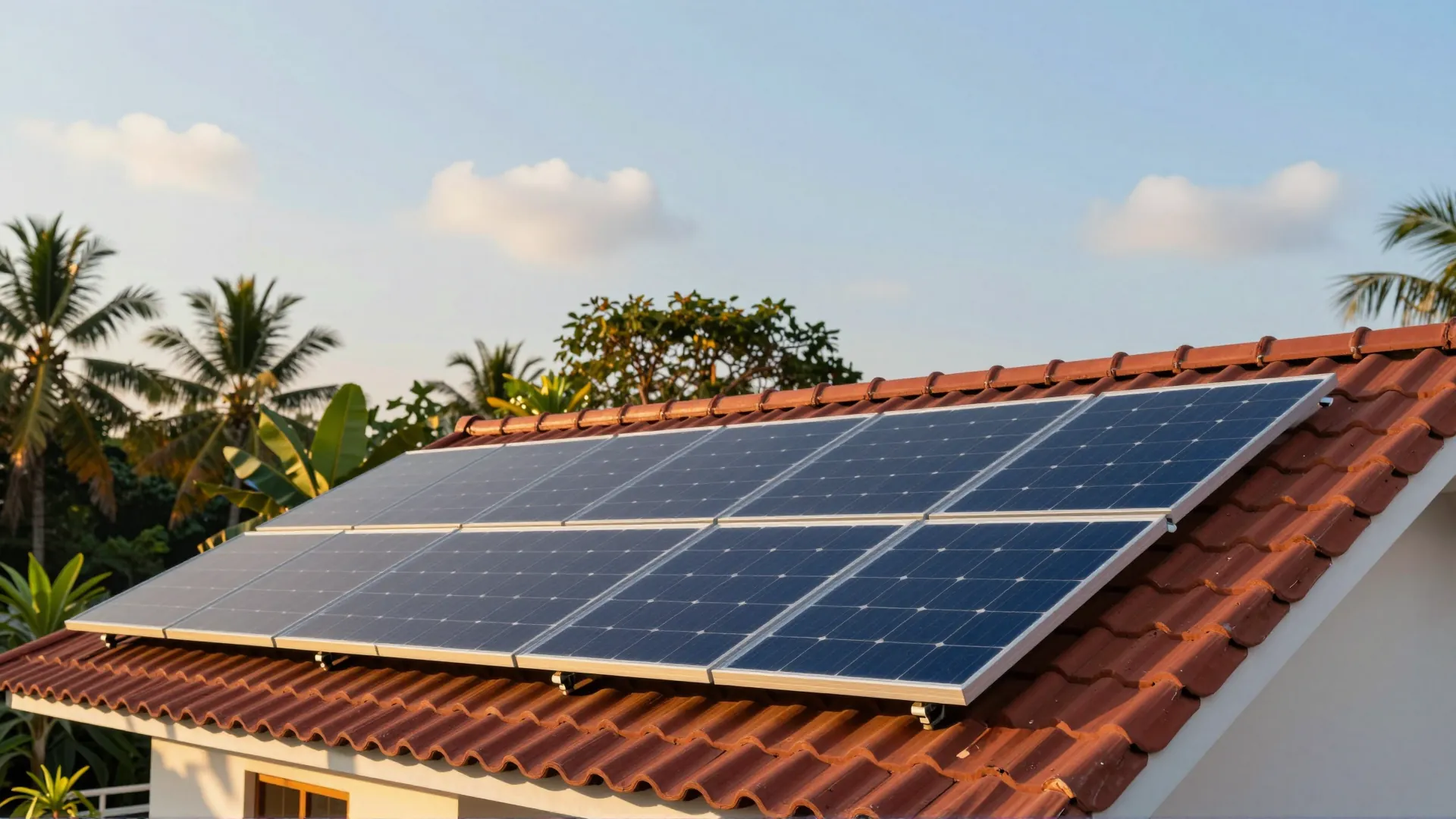
You spent big on something the tax system rewards. Solar panels on the roof. A generous donation. And now you are staring at the annual cap, wondering: if I cannot use all of it this year, do I lose it, or does it roll over?
For most reliefs in Sri Lanka, the honest answer is the one nobody wants: you lose it. There is no general carry forward of tax relief here. But there are three specific exceptions worth knowing, and one smart move that turns a "lose it" into a "keep it" for solar.
Let me show you exactly what carries and what does not, because getting this wrong can cost you hundreds of thousands of rupees.
Can you carry forward unused tax reliefs in Sri Lanka?
In general, no. Sri Lanka's tax reliefs are mostly annual. You get them for the year, and if your income or your spending does not let you use the full amount, the unused part is gone. It does not roll into next year.
This catches people out because it feels unfair. You spent the money, the relief was "yours," and then it vanishes because of a cap. But the law treats each Year of Assessment as a closed box for most reliefs.
A "relief" reduces your income before tax (like personal relief or solar relief). A "qualifying payment" is a deduction for specific approved spending (like donations). Both are mostly annual. The few carry-forward exceptions all sit in the qualifying payment category, not the reliefs.
So before you assume anything rolls over, check which bucket your deduction is in. Here is the full picture.
Which reliefs do not carry forward?
These are use-it-or-lose-it, every year:
- Personal relief (Rs. 1,800,000). If your income is below it, you pay no tax, but the leftover does not move to next year.
- Rent relief for landlords.
- Solar panel relief (capped at Rs. 600,000 per year). Spend more in one year and the excess is lost.
- Donations to approved charities (capped, covered below).
- Donations to higher education institutions. These are a valid qualifying payment, but they are specifically left out of the carry-forward rule.
If your deduction is on this list and you cannot use all of it this year, the unused part does not survive into the next.
Which qualifying payments do carry forward?
Three, and only three:
| Qualifying payment | Carries forward? |
|---|---|
| Donation to the Government of Sri Lanka | Yes, until fully used |
| Donation to a Government-established fund | Yes, until fully used |
| Film or cinema production and construction expenditure | Yes, to the next year |
| Donation to higher education institutions | No |
| Donation to approved charities | No |
| Solar, rent, personal relief | No |
The first two are new. The Inland Revenue Amendment Act No. 11 of 2026 added Section 52(4), which says that if your income in a year is not enough to absorb a Government or Government-fund donation, the unused balance carries forward to the next year and onward until it is fully deducted. That is a genuinely valuable rule for anyone making a large donation to the state.
Film and cinema expenditure has its own long-standing carry-forward built into the Fifth Schedule. It is niche, but if it applies to you, the unused amount moves to the next year.
Everything else does not carry. Which brings us to the relief most people ask about.
Why doesn't solar relief carry forward, and what can you do?
Solar relief is capped at Rs. 600,000 per year under Paragraph 2(g) of the Fifth Schedule. And there is no carry-forward built into it. If your installation costs more than Rs. 600,000 and you pay cash in a single year, you claim Rs. 600,000 and the rest is gone.
Here is the part that matters. The relief each year is the lesser of two things: your total solar expenditure, or the loan repayments you made to a bank that year for the system. That second option is the key.
Watch the difference on a Rs. 900,000 installation.
Paying cash, all in one year:
| Amount | |
|---|---|
| Solar spend this year | Rs. 900,000 |
| Relief claimable (capped) | Rs. 600,000 |
| Lost forever | Rs. 300,000 |
Financing it with a loan, repaid over two years at Rs. 450,000 a year:
| Year 1 | Year 2 | |
|---|---|---|
| Loan repaid to bank | Rs. 450,000 | Rs. 450,000 |
| Relief claimable (under the Rs. 600,000 cap) | Rs. 450,000 | Rs. 450,000 |
Across the two years, the loan route lets you claim relief on the full Rs. 900,000, because each year's repayment sits under the Rs. 600,000 cap. The cash route caps you at Rs. 600,000 and loses Rs. 300,000.
If your solar installation will cost more than Rs. 600,000, financing it with a bank loan can preserve relief you would otherwise lose. The relief follows your annual loan repayments, so spreading the cost across years keeps each year's claim under the cap. Pay the whole thing in cash and you forfeit everything above Rs. 600,000.
There is no way to reclaim solar relief above the Rs. 600,000 annual cap once a year closes. It does not carry forward and it cannot be claimed later. Decide how you will pay for a large system before you install it, not after, because the payment method locks in how much relief you can ever claim.
For the full eligibility rules on solar, see our guide on solar tax relief in Sri Lanka.
How do carried-forward government donations work?
This is the one place where a large gift does not go to waste even if your income is small that year.
Say you donate Rs. 5,000,000 to a fund established by the Government. Your taxable income this year is only Rs. 3,000,000, so your income can only absorb Rs. 3,000,000 of the deduction. Without carry-forward, the other Rs. 2,000,000 would be lost.
Under Section 52(4), it is not. The unused Rs. 2,000,000 carries forward to the next year, and consecutive years after that, until the whole donation has been deducted. The benefit waits for your income to catch up.
This carry-forward applies only to donations to the Government of Sri Lanka and to Government-established funds. A donation to a private approved charity, however generous, does not get this treatment. The destination of the gift decides whether the unused part survives.
What about donations to charities?
Cash donations to approved charitable institutions are deductible, but capped and not carried forward.
The cap for an individual is the lesser of one-third of your taxable income or Rs. 75,000 per year. Give more than that, and the excess is not deductible this year and does not roll to next year. It is simply outside the relief.
So a Rs. 200,000 donation to an approved charity gets you a deduction of at most Rs. 75,000, and the remaining Rs. 125,000 carries no tax benefit at all. The generosity is real, but the tax relief stops at the cap. We cover the full donation rules in our guide on whether donations are tax deductible in Sri Lanka.
How do I make sure I don't lose relief I'm entitled to?
Three habits cover most of it. Know which of your deductions are annual and use them within the year. For solar over Rs. 600,000, decide the payment method before you buy. For large state donations, remember the unused part carries forward, so the timing of your income matters less.
The trouble is that these rules interact with your income, your caps, and your timing all at once, and the cost of missing one is real money you cannot get back. Working out which relief is capped, which carries forward, and how much you can actually claim this year is exactly the kind of thing worth tracking properly. Our guide on how to calculate your income tax shows where these deductions sit in the full calculation.
So, can you carry forward tax reliefs in Sri Lanka? Mostly not. The system rewards using your reliefs in the year you earn them, with narrow exceptions for Government donations and film. For everything else, especially solar, the smart move is to plan the spending so you never hit the cap with money you cannot claim. Know the rule before you spend, and you keep what is yours.
Frequently asked questions
Quick answers to common questions on this topic.
Can I carry forward unused tax reliefs in Sri Lanka?
Mostly no. Personal relief, rent relief, and solar relief are use-it-or-lose-it each year. Only three qualifying payments carry forward: donations to the Government of Sri Lanka, donations to a Government-established fund, and film or cinema expenditure. Everything else that exceeds its annual cap or your income is lost.
Does solar relief carry forward if I spend over the cap?
No. Solar relief is capped at Rs. 600,000 per year under Paragraph 2(g) of the Fifth Schedule, and there is no carry-forward provision. If you spend more than Rs. 600,000 in a single year, the excess is lost permanently. Financing the system with a loan is the way to spread the benefit across years.
Which donations can be carried forward in Sri Lanka?
Under Section 52(4), added by the Amendment Act No. 11 of 2026, only donations to the Government of Sri Lanka and donations to a fund established by the Government carry forward. If your income cannot absorb the full deduction in one year, the unused balance carries to the next year and consecutive years until used.
Do donations to approved charities carry forward?
No. Cash donations to approved charitable institutions are capped at the lesser of one-third of your taxable income or Rs. 75,000 per year, and any amount above that cap is lost. The carry-forward rule in Section 52(4) covers only Government and Government-fund donations, not approved charities or higher education institutions.
What is the annual cap on solar relief?
The solar relief is up to Rs. 600,000 per year of assessment, set as the lesser of your total solar panel expenditure or the loan repayments you made to a bank that year for the system. The panels must be on your own premises and connected to the national grid, and you must be a resident individual.
How can I avoid losing solar relief on a big installation?
Finance the system with a bank loan instead of paying cash. The relief each year tracks what you repaid the bank that year, up to Rs. 600,000. So a system costing more than Rs. 600,000, repaid over several years, lets you claim relief across those years rather than capping at Rs. 600,000 in one cash year and losing the rest.
Does personal relief carry forward to next year?
No. The Rs. 1,800,000 personal relief is an annual allowance. If your income for the year is below it, you simply pay no tax that year. The unused portion does not roll into the next year. Each Year of Assessment stands on its own for personal relief.
Related reading
All articles →
Tax Exempt Income in Sri Lanka: Is Your Money Taxable?
Is your EPF, lottery win, pension or share gain tax exempt in Sri Lanka? Check each receipt against the Inland Revenue Act's list of exempt amounts.
Tax Relief vs Exemption vs Credit in Sri Lanka
Relief, exemption, qualifying payment, tax credit: four Sri Lankan tax words that work at different steps. One worked example shows where each one applies.
Money From Family Abroad: Is It Taxable in Sri Lanka?
Is money your family sends from abroad taxable in Sri Lanka? See where the Inland Revenue Act draws the line between a gift and income, and what records to keep.